What Are Types Of Flags In Formula 1? Ultimate Guide
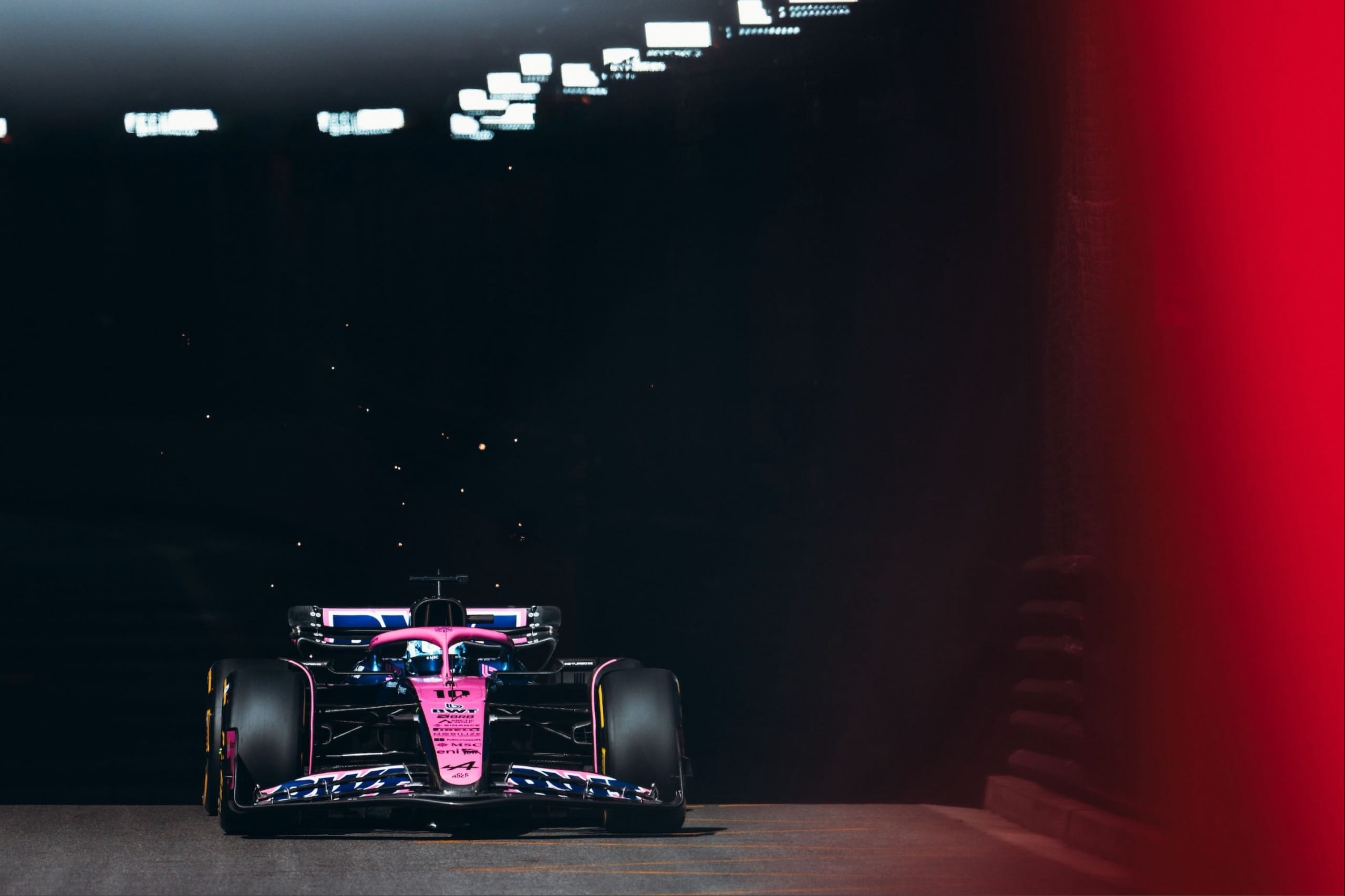
Flags in Formula 1 are an essential way to communicate with drivers during a race. Since drivers cannot hear marshals on the track, flags are used as visual signals to inform them about track conditions, hazards, or rules they must follow.
Each color has a specific meaning, such as warning of danger, stopping the race, or signaling the finish. Understanding these flags is important for both drivers and fans, as they play a big role in safety and fairness in F1 racing.
Red Flag
It means the race is stopped immediately because the track is not safe for racing. This can happen due to many reasons, like a major accident, heavy rain, or dangerous conditions like debris on the circuit.
Red flags are used to protect drivers, teams, and fans from serious risks.
Blue Flag
It is shown for slower cars, telling them to let faster cars pass. The car behind us, with high speed, must be given a side to pass.
Yellow Flag
Overtaking is not allowed during this time. If two yellow flags are waved together, it means the situation is more serious, and drivers must reduce speed even more.
The yellow flag is very important for safety and helps prevent more accidents during a race.
Green Flag
The green flag means the track is clear, and racing can continue at the fullest speed, and there are no obstacles on the track.
Green flag!!! #F1 #F1Testing pic.twitter.com/IkfQljyEX1
— Circuit de Barcelona-Catalunya (@Circuitcat_eng) February 27, 2017
White Flag
A white flag is used to warn drivers that there is a slow-moving vehicle ahead on the track, such as a safety car, medical car, or a car returning to the pits slowly. It tells drivers to be cautious and ready to avoid the slower vehicle.
While it’s not as common as other flags, the white flag is important for safety because it helps prevent collisions when speeds are very different on the circuit.
Yellow flag With Red Stripes
The yellow flag with red stripes is called the slippery surface flag. It warns drivers that the track ahead may be slippery or dangerous, often due to oil, water, gravel, or other debris. When drivers see this flag, they must reduce speed and be careful because grip levels can change suddenly.
Checkered Flag
It is the most famous one. It signals the end of the race, and the winner crosses the line first.
Understanding these flags is very important in Formula 1 because they help prevent accidents and ensure smooth racing every time.
Also Read: What Type Of Tyres Are Used In F1?




 EN
EN  ES
ES
Post Comment