What Type Of Tyres Are Used In F1?
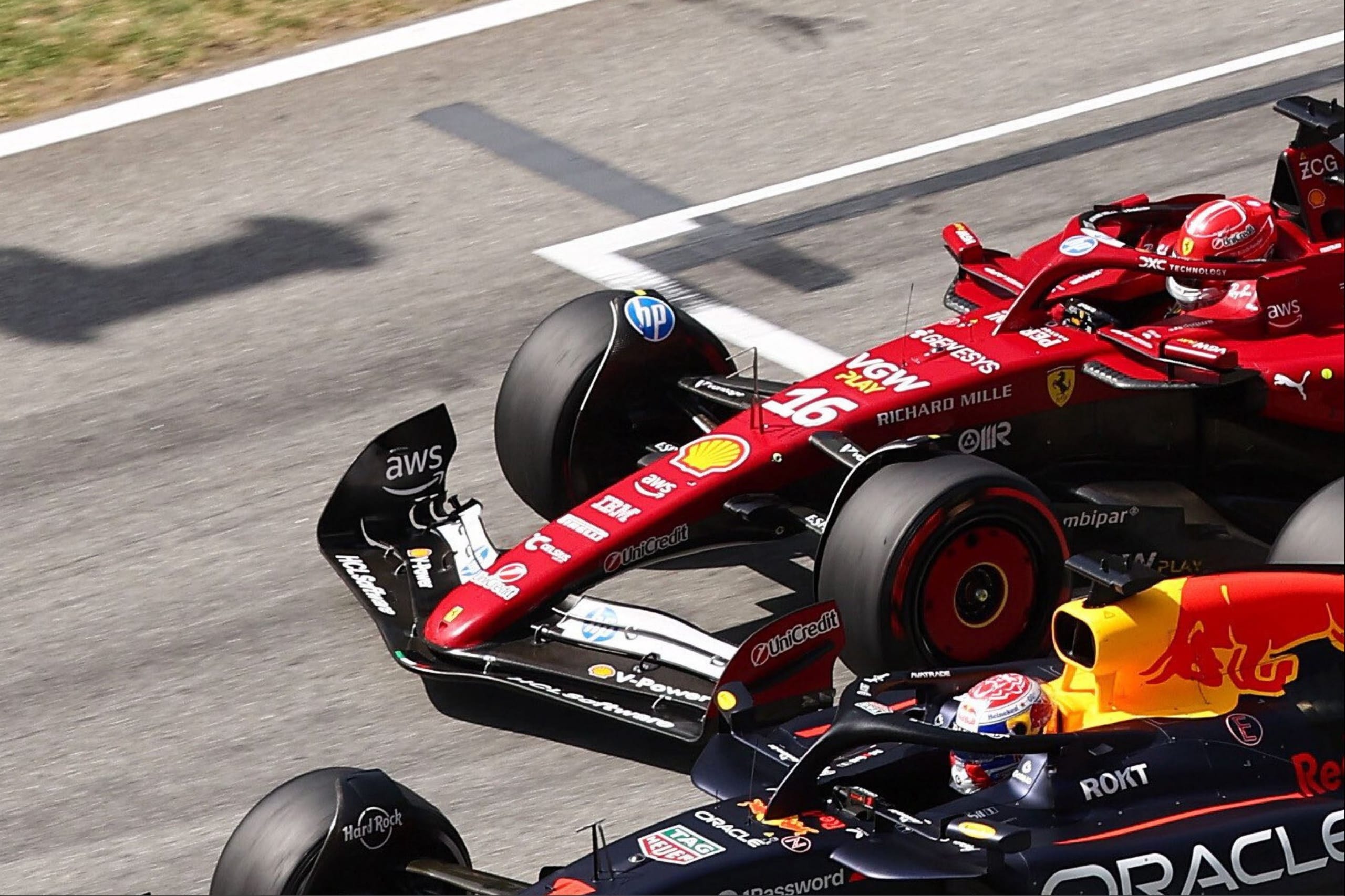
Formula 1, often called F1, many of us are very familiar with this Motorsport and if not, let’s get to know what F1 is and what type of tyres they use. It’s the highest level of international motorsport, showcasing the world’s fastest and most advanced racing cars.
Each season, teams compete across multiple countries in a championship that tests not only driver skill but also engineering brilliance and strategic thinking. F1 is known for its high-speed drama, cutting-edge technology, and intense battles on iconic tracks like Silverstone, Monza, and Monaco. Every detail matters in this sport, and tyres play one of the most crucial roles in deciding who wins and who falls behind.
The Role Of Tyres In Formula 1
Tyres are far more than just rubber on wheels; they are the lifeline of the car’s performance. The right tyre can make the difference between victory and defeat. Tyres affect grip, handling, speed, pit stop strategies, and even safety. Because F1 cars push the limits of what’s mechanically possible, tyre durability and temperature control are constantly monitored.
Currently, Pirelli is the exclusive tyre supplier for Formula 1. Every team uses Pirelli tyres, but they can choose from a specific range depending on the race weekend. These tyres are split into two main categories: slicks (for dry conditions) and wet tyres (for rain or damp tracks).
Types Of F1 Tyres Used During A Race Weekend
Slick Tyres (Dry Weather)
Slick tyres are smooth-surfaced and designed specifically for dry racing tracks. These tyres provide maximum contact with the track, which results in better grip and higher speeds. Pirelli, the official F1 tyre supplier, manufactures five different slick compounds: C1 (hardest), C2, C3, C4, and C5 (softest).
For each Grand Prix, Pirelli selects three of these five compounds to be used, and they are colour-coded for easy identification: Hard (white), Medium (yellow), and Soft (red).
Wet Weather Tyres
When the weather turns rainy or the track is damp, slick tyres become unsafe to use. In such conditions, wet-weather tyres come into play, and there are two specific types used in F1: intermediates and full wets.
Intermediate Tyres (green)
These are ideal for light rain or a track that’s just damp. They have shallow grooves that help displace water, allowing the car to maintain grip without losing too much speed. Intermediates are often used when the track is too slippery for slicks but not fully soaked.
Full Wet Tyres (blue)
On the other hand, these are built for heavy rain and standing water. These tyres feature deep grooves designed to clear large amounts of water, helping prevent aquaplaning and keeping the car stable. However, on a dry track, full wets can lose grip and wear out quickly, making them less effective once the rain stops.
Also Read: Kimi Antonelli Penalised After Crash with Max Verstappen at F1 Austrian GP 2025 Ahead of British GP



 EN
EN  ES
ES